The Docket - Case No. 1
The $1.26 million Instagram post
The SEC did not charge Kim Kardashian for shilling a bad coin. It charged her for leaving out three words: this was an ad.
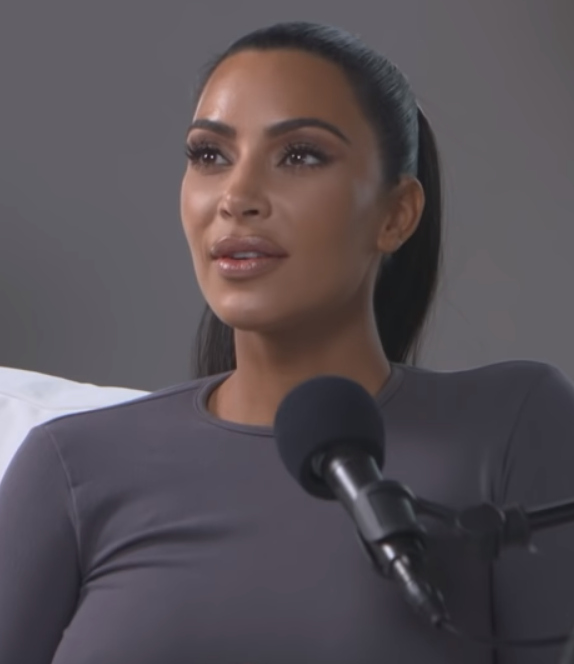

On October 3, 2022, the Securities and Exchange Commission announced charges against Kim Kardashian. The allegation was precise. In June 2021, Kardashian published a post to her Instagram account, then followed by hundreds of millions of people, promoting EMAX tokens sold by EthereumMax. She had been paid $250,000 for the post, routed through an intermediary. The post, the SEC said, gave no indication that it was a paid advertisement.
That is the whole case. Not the coin. Not the price chart. The missing disclosure.
What the papers say
The SEC's press release, numbered 2022-183, says Kardashian touted a crypto asset security offered and sold by EthereumMax without disclosing the payment she received for the promotion. The charge sits under the anti-touting provision of the federal securities laws: if you are paid to promote a security, you must disclose the compensation, its amount, and its source.
Kardashian agreed to settle without admitting or denying the findings. The settlement included an agreement to cooperate with the Commission's ongoing investigation. SEC Chair Gary Gensler used the announcement to make the broader point: celebrity endorsements do not mean an investment is right for you, and the investing public has a right to know whether a celebrity promotion is unbiased. The release notes the case as a reminder that the securities laws require disclosure of paid promotion.
One detail worth sitting with: the payment arrived through an intermediary. The SEC's theory did not care. The disclosure obligation follows the person who posts, not the path the money took to reach them.
The money
$250,000 came in. $1.26 million went out. That is roughly five times the fee, and the arithmetic is public: a $1 million civil penalty plus about $260,000 in disgorgement and prejudgment interest, which is the legal system's way of taking back the payment and charging rent on the time it was held.
Notice what the number prices. It does not price whether EMAX was a good investment or a bad one. It prices the missing sentence. A disclosure line in the caption, clear and conspicuous, would have cost nothing. Its absence cost $1.26 million.
The ruling
There was no trial. Kardashian settled the charges on a neither-admit-nor-deny basis, paid the $1.26 million, agreed to cooperate with the SEC's continuing investigation, and accepted a three-year undertaking not to promote any crypto asset securities. In regulatory enforcement, that package, money plus a forward-looking restriction plus cooperation, is the standard shape of a resolution. The restriction matters as much as the check: for three years, an entire category of paid promotion was off the table.
The risk ledger
Every paid post is a disclosure event. The obligation does not scale down because the payment came through a middleman, because the post was one Story that expired, or because everyone "knew" it was probably an ad. Regulators read the post, not the room.
Crypto adds a second layer. When the thing being promoted is a security, securities law stacks on top of the FTC's endorsement rules, and the penalties stop looking like advertising fines and start looking like securities enforcement. Kardashian's case is the template: the SEC treated a celebrity Instagram post as a touting violation, full stop.
The meter on this kind of matter runs in two currencies: the settlement number, and the years of restricted earning that follow it. Three years out of the crypto promotion market is a cost no press release total captures.
Why it matters for creators
This is the exact category of allegation that media liability coverage is built to respond to: a regulator says your sponsored content broke the rules, and you need defense counsel before you need anything else. The defense bill arrives first and it arrives whether the post was malicious or merely sloppy. A missing disclosure is the most ordinary mistake in the creator economy, and this case put a federal price tag on it.
No promises here. Whether any particular claim would be covered depends on the policy as issued, its terms, conditions, limitations, and exclusions, and the facts of the claim. But the category exists because of cases like this one: a single post, a single missing sentence, and a seven-figure consequence.
The docket
- U.S. Securities and Exchange Commission, Press Release No. 2022-183, "SEC Charges Kim Kardashian for Unlawfully Touting Crypto Security," October 3, 2022: sec.gov/news/press-release/2022-183
Legal disclosure
CreatorSure is a creator-facing brand of SongSure LLC, an insurance agency. This article is for general information and education only. It is not legal advice, not insurance advice, and not an offer, quote, or promise of coverage. Case summaries rely on public records and may omit details. Any future coverage would be subject to underwriting review, carrier approval, and the terms, conditions, limitations, and exclusions of the policy as issued. Past case outcomes do not predict future results or coverage decisions. CreatorSure and SongSure are in pre-launch and are not currently writing coverage. Consult a licensed attorney for legal questions and a licensed insurance producer for coverage questions.